
Harmony Montgomery: A Child Who Needed One Advocate
Disclaimer: This blog post is for educational and awareness purposes only. It is intended to shed light on systemic issues within child protective services by discussing a publicly known case. The information presented here is based on publicly available sources and is not meant to assign blame to any individual beyond those already held legally accountable. This post does not constitute legal advice, medical advice, or professional social work guidance. Readers are encouraged to conduct their own research and consult qualified professionals for support or further information. The views expressed are those of the author and do not reflect the opinions of any government agency or organization.
If you suspect a child is being abused or neglected, please contact your local authorities or the National Child Abuse Hotline at 1-800-422-4453.
Let us have a 1-minute moment of silence for Harmony Montgomery.
Backstory: Who was harmony montgomery?
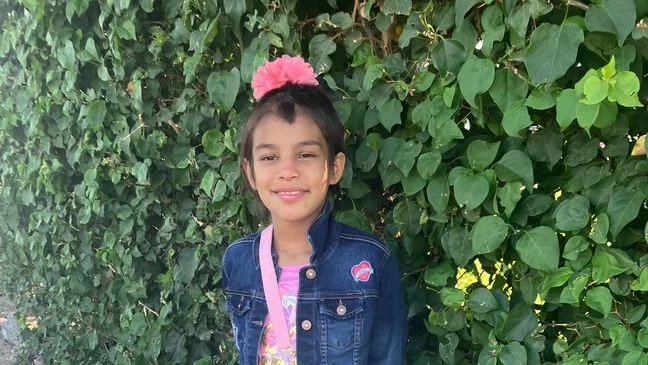
Harmony Montgomery was seven years old.

Photo: Harmony Montgomery. Source: The Boston Globe
She was a little girl with a bright smile, a child who should have been worrying about school, friends, toys, and the ordinary experiences that make up childhood. Instead, Harmony's life became the center of one of the most heartbreaking child welfare cases in recent memory.
Long before the public knew her name, Harmony was moving through systems that were supposed to protect children. Custody arrangements, family challenges, and concerns about her well-being had all become part of her story. Like many children caught between struggling adults, Harmony depended entirely on the people around her to keep her safe.
Children do not choose their circumstances.
They do not choose who raises them, who supervises them, or who advocates for them.
They depend on adults to make those decisions.
That is why cases like Harmony's are so difficult to process. Every child deserves safety, stability, and protection. Every child deserves at least one adult willing to notice when something is wrong and take action.
Harmony Montgomery deserved that too.
Discovery
What makes this case especially troubling is not only the allegations of abuse but the amount of time that passed before the broader public became aware that Harmony was missing.
Investigators later began piecing together a timeline that suggested Harmony had not been seen for an extended period. Questions emerged about where she was, who had responsibility for her care, and why concerns had not triggered earlier intervention.
As the investigation unfolded, law enforcement, child welfare officials, media organizations, and community members searched for answers.
The search eventually shifted from finding Harmony to understanding what happened to her.
For many people following the case, one question remained constant:
How does a child disappear from public view for so long?
That question continues to resonate because it touches on a larger concern within child welfare systems. Children are often connected to multiple adults, agencies, schools, medical providers, relatives, and community members. When a child falls through those layers of protection, communities naturally ask whether warning signs were missed, misunderstood, or ignored.
The tragedy of Harmony Montgomery became larger than one case.

Photo: Mother of Harmony Montgomery. Source: The Boston Globe
It became a reminder of how vulnerable children can become when accountability breaks down.
Every child deserves at least one adult willing to ask a difficult question.
Warning Signs
One of the most challenging aspects of child abuse prevention is recognizing that warning signs are often easier to identify in hindsight than they are in real time.
Not every sign indicates abuse.
Not every concern turns into a tragedy.
But patterns matter.
When examining child welfare cases, professionals often look for recurring indicators:
Frequent unexplained injuries
Sudden behavioral changes
Chronic absenteeism
Social withdrawal
Expressions of fear around certain adults
Inconsistent explanations for injuries
Long periods without contact from trusted family members
Concerns raised by teachers, relatives, neighbors, or medical professionals
The goal is not to create panic.
The goal is to encourage attention.
Many children who experience harm do not make direct disclosures. Instead, they communicate through behavior, comments, emotional changes, or interactions with trusted adults.
That is why awareness matters.
Not because every tragedy can be prevented.
Not because every adult will recognize every warning sign.
But because children need advocates.
They need adults willing to notice.
They need adults willing to listen.
They need adults willing to follow up.
And they need adults willing to act when necessary.
So now the question becomes:
How do we prevent this from happening to another child?
We pay attention to patterns. We take concerns seriously. We support strong child welfare systems. We encourage communication between families, schools, and communities. Most importantly, we commit ourselves to being advocates for the children already within our sphere of influence.
Because every child deserves one advocate.
Harmony Montgomery.
Child Safety, Child Abuse, Missing Children
#ChildSafety #BeMyKidSafe #HarmonyMontgomery #MissingChild
If you suspect a child is being abused or neglected, call the National Child Abuse Hotline at 1-800-4-A-CHILD (1-800-422-4453). Your call could save a life.
Additional Information:
Our team of writers is very small, and we need assistance. Therefore, this blog was thoughtfully written with the assistance of ChatGPT, an AI tool designed to help communicate sensitive topics with accuracy and care. By using ChatGPT, we aim to provide a clear and compassionate perspective on complex issues, drawing from trusted sources and evidence-based insights.


Check out our latest guide for some awesome tips to help you succeed. We hope you find these simple strategies super helpful for your journey.
La qualità del contenuto è evidente fin dalle prime righe dell'articolo. Il contenuto è ben contestualizzato e facile da collegare alla realtà pratica. Ho letto l'articolo per intero senza saltare nessuna parte. Di solito non è semplice trovare informazioni così ben organizzate su questo tema.